

Print PDF

Postgraduate Coursework Applications

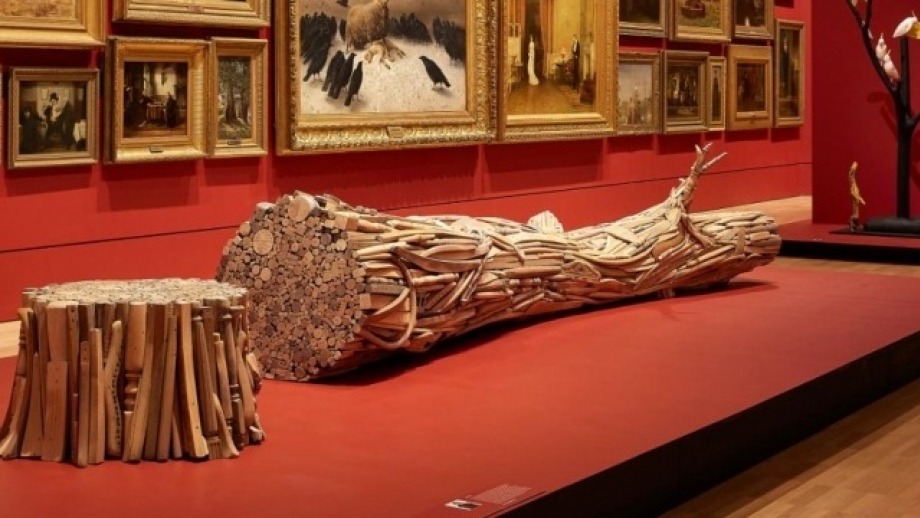
Frank Lindner, Photography and Media Arts, MotelDazeXVl, (detail)

General information about application processes, fees, closing dates and more can be found in the online ANU Coursework Handbook.

Coursework degrees are fee-based, with fees varying depending on the program and on the unit load of courses undertaken. Information on fees for both domestic and international students can be found on the ANU's Study@ 'Tuition Fees' page. You should note that the Australian Government provides the FEE-HELP loan scheme for domestic students.

International Applicants
International students who are applying for graduate study follow the same requirements as for students residing in Australia. Where consultation and interview is not possible, please contact the Graduate Convenor via email (Visarts.Gradprog@anu.edu.au). For English language requirements please see the International Office website.

Application Deadlines for first and second semesters are normally the last working day of October and May each year. For some Coursework programs the School of Art does consider applications received beyond these dates, subject to the availability of resources in specific disciplines.

Application forms can be downloaded from the UAC site.


School of Art - specific information

Master of Visual Effects, Master of New Media Arts

Please see the following links for application requirements: Master of Visual Effects, Master of New Media Art.


Graduate Diploma of Art (Visual), Master of Design Arts, Master of Visual Arts, Master of Arts (Visual Arts)

Admission to these Graduate coursework programs is based on evidence of relevant academic qualifications, the quality of the submitted portfolio and Study Proposal. You should include with your application form:

* A Study Proposal. Guidelines for preparing the proposal are set out below.

* Images of recent work. These should be in digital or print form with name, date, title, medium, and size of the work clearly indicated.

* A current curriculum vitae.

* Please note that you are not required to provide referees as part of your application.

Prospective applicants are invited to consult with the Heads of relevant Workshops and the Graduate Program Convenor prior to lodgement of an application in order to discuss the proposed program of study. Selected applicants may be invited for an interview (telephone or in person) where necessary. Consideration of Study Proposals may involve further consultation and advice from staff, and requests to amend and re-submit Proposals may be made. Assessment and ranking of applications is made by the Graduate Convenor and the Head of the relevant Workshop. The final course structure of an individual study program is subject to approval by the Convenor and relevant Heads of Workshop.

Entry Criteria:
Applications to these courses are assessed in terms of the applicant's prior academic and other achievement, the merit of the Study Proposal, and the availability of appropriate human and material resources.

The Proposal
In preparing a Proposal you should indicate the reasons for wishing to enter the course of study and identify your preferred study discipline. You should set out a clear and concise outline of the objectives of your proposed study and the means by which the goals will be achieved. Please use the headings below, and make sure that you address the questions raised under each heading.

1. Aims of the proposed study

• What are the general aims of the study program proposed? Please specify (a) a topic for your proposed study, and (b) outline the nature of the project and (c) suggest its anticipated outcomes.

• How does the proposal relate to your prior practice and experience?

2. Your approach to your topic

• What is distinctive about your approach to your topic?

• What methods and/or processes and materials do you intend to use?

3. Contextual precedents for your Research

• What is the wider context for the proposed study program? Please indicate how you see your proposed work in the wider context of practice in your field by referring to specific examples of precedents, traditions, and other relevant visual practices.

• Please indicate what reference material has been relevant to the development of your research proposal (e.g. provide a bibliography, etc.).